Renting vs. Buying in Topeka: How to Know When You're Ready
Wondering whether it's time to stop renting and buy your first home? Let's talk about down payments, credit scores, monthly costs, and how to decide what makes sense for you.
If you're currently renting in Topeka, you've probably wondered at some point whether buying a home would make more sense.
Maybe you're tired of paying rent every month. Maybe you'd love to have a yard, a garage, or simply a place you can make your own.
Or maybe buying a house feels like something that's still several years away.
One thing I've learned from helping first-time buyers is that a lot of people assume they're further away from homeownership than they actually are.
They think they need a huge down payment, perfect credit, or a certain income before they can even start looking.
And while buying a home certainly requires some financial preparation, the process may be more approachable than you think.
At the same time, buying isn't automatically the right decision for everyone.
There are situations where continuing to rent makes more sense, and I think that's an important part of the conversation, too.
So if you're weighing renting versus buying in Topeka, let's walk through some of the biggest things you should consider before making that decision.
1. You probably don't need a 20% down payment
One of the biggest misconceptions I hear from first-time homebuyers is that they need to save 20% of the purchase price before they can buy a house.
That's simply not true for many mortgage programs.
Depending on your qualifications and the type of loan you're using, you may be able to purchase a home with a much smaller down payment.
Some conventional loan programs allow eligible buyers to put as little as 3% down, while FHA loans may allow a 3.5% down payment for borrowers who meet certain credit requirements.
Eligible VA and USDA borrowers may qualify for loans that don't require a down payment at all.
Of course, every loan program has its own guidelines, and not everyone will qualify for the same options.
What does that look like in actual dollars?
Let's use a $200,000 home as an example.
- 3% down: $6,000
- 3.5% down: $7,000
- 5% down: $10,000
- 20% down: $40,000
Those figures are only the down payment, not the total amount you'll need to close.
But they help demonstrate why buying a home might be more realistic than someone initially expects.
And for some buyers, down payment assistance programs may help reduce the amount of money needed upfront.
2. Don't forget about closing costs
While the down payment gets most of the attention, it's not the only expense you'll need to plan for.
When purchasing a home, buyers also have closing costs.
These may include lender fees, appraisal expenses, title-related charges, prepaid insurance, property tax escrows, and other transaction costs.
As a general planning estimate, closing costs can sometimes range from approximately 2% to 5% of the purchase price, although actual costs vary significantly by loan and transaction.
For a $200,000 home, that could mean roughly $4,000 to $10,000 in additional expenses before accounting for any credits or assistance.
But here's something many first-time buyers don't realize: you may not have to cover every one of those expenses yourself.
Depending on the situation, buyers may be able to negotiate seller-paid closing costs or qualify for assistance programs.
A lender can help you understand what your estimated cash-to-close would look like based on your specific circumstances.
And that's a much more useful number to focus on than simply assuming you need tens of thousands of dollars saved.
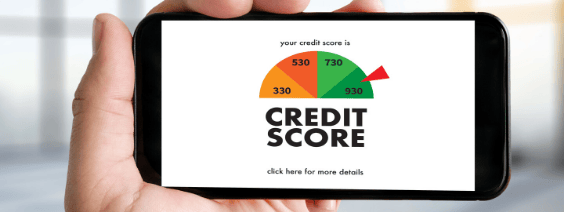
3. You don't need perfect credit to buy a home
Another common misconception is that you need an excellent credit score to qualify for a mortgage.
While a stronger credit profile can improve your financing options and potentially help you secure better loan terms, perfect credit isn't required.
Different mortgage programs have different credit guidelines.
For example, many conventional mortgage programs use a 620 credit score as a common benchmark, while FHA guidelines may allow lower scores under certain circumstances.
Individual lenders can also have their own requirements.
And your credit score is only one part of the approval process.
Lenders also evaluate things like:
- Income and employment history
- Existing monthly debt payments
- Available savings and assets
- Credit history and payment patterns
- The type of mortgage you're applying for
One of the best things you can do if you're thinking about buying is talk with a reputable mortgage lender early in the process.
Even if you're not quite ready to purchase, a lender can help you understand where you stand and what steps could improve your position.
Sometimes buyers discover they're ready sooner than expected. Other times, they leave with a clear plan for the next six months or year.
Either way, having accurate information is valuable.
4. Compare the full monthly payment, not just rent versus mortgage
This is one of the most important things I encourage buyers to understand.
It's tempting to look at your current rent and compare it directly to a mortgage payment.
But owning a home involves more than principal and interest.
Your total monthly housing expense may include:
- Mortgage principal and interest
- Property taxes
- Homeowners insurance
- Mortgage insurance, if required
- Homeowners association dues, if applicable
- Utilities and routine maintenance
Some of these costs may be included in your monthly mortgage payment through an escrow account, while others will be separate expenses.
And even if you have a fixed-rate mortgage, your total monthly payment can still change as property taxes and insurance premiums change.
That's why I encourage buyers to look at the entire cost of homeownership rather than focusing on the loan payment alone.
Don't forget to budget for repairs
When you're renting, you can usually call your landlord when something breaks.
When you own the home, that responsibility typically falls on you.
Whether it's replacing a water heater, repairing an appliance, or dealing with an unexpected plumbing issue, maintenance expenses are part of homeownership.
Having money set aside for those situations can make owning a home much less stressful.
And it's one reason I don't recommend using every dollar you have saved just to get into a house.
5. Think about how long you plan to stay in Topeka
Buying a home is a significant investment, and it generally makes more sense when you expect to stay in the property for a while.
That's because buying and selling real estate involve transaction expenses.
If you purchase a home and need to sell it shortly afterward, those costs can reduce or even eliminate the financial benefits of owning.
A common guideline is to think about whether you expect to stay in the home for at least three to five years.
But that's not a strict rule.
The right timeline depends on your financial situation, the local housing market, and your future plans.
If you're planning to relocate for work in the near future, renting may provide more flexibility.
On the other hand, if you're planning to put down roots in Topeka and stay for several years, buying may be worth exploring.
There's no perfect answer, but your timeline should absolutely be part of the decision.
6. Understand the benefits of owning versus renting
One of the biggest advantages of owning a home is the opportunity to build equity over time.
As you make mortgage payments, a portion of the payment may reduce your loan balance.
And if your home's market value increases, that can also contribute to your equity.
Of course, home values can go down as well as up, and equity growth isn't guaranteed.
But owning gives you the potential to build an asset rather than making payments solely for the right to occupy a property.
Homeownership also offers more control over your living space.
Want to paint the walls, remodel the kitchen, or make changes to the landscaping? In many cases, you have more flexibility to do those things when you own, subject to local rules and any applicable HOA restrictions.
And with a fixed-rate mortgage, the principal and interest portion of your payment remains consistent throughout the loan term.
That predictability can be appealing, even though taxes, insurance, and maintenance costs may change.
7. There are also good reasons to keep renting
I think it's important to say this clearly: renting isn't throwing money away.
You're paying for a place to live, and that has value.
Renting can be the better option when you need flexibility, aren't sure where you want to settle, or want more time to strengthen your financial situation.
It also means you generally aren't responsible for major property repairs and some other costs that come with ownership.
Buying may make sense if you...
- Plan to stay in the area for several years
- Have steady, qualifying income
- Can comfortably afford the total monthly payment
- Have savings for upfront costs and emergencies
- Want more control over your living space
Renting may make sense if you...
- Expect to move in the near future
- Need flexibility with your living situation
- Are working on your credit or savings
- Prefer not to manage major repairs
- Would feel financially stretched by owning
Neither choice is automatically better.
The goal is to find the option that makes the most sense for your life right now.
8. Explore first-time homebuyer assistance programs
One of the things I always encourage first-time buyers in Topeka to do is ask about available homebuyer assistance programs.
Depending on your income, loan type, and other eligibility requirements, there may be programs that help with down payments or closing costs.
Some assistance is structured as a grant, while other programs may involve a second loan or repayment conditions.
Program availability and funding can change, so it's important to confirm current options with a participating lender or program administrator.
Even if you don't think you'll qualify, it's worth asking.
You may be surprised by what's available.
So, how do you know if you're ready to buy a home?
Here's what I would encourage you to think about before making the decision.
- Your income: Do you have a reliable source of income that can support the monthly payment?
- Your savings: Can you cover the required upfront expenses without draining your emergency fund?
- Your credit: Have you spoken with a lender about your financing options?
- Your debt: Are your existing monthly obligations manageable?
- Your timeline: Do you expect to stay in the area long enough for buying to make sense?
- Your lifestyle: Are you ready for the responsibilities that come with owning a home?
You don't have to have everything perfectly figured out before starting the conversation.
In fact, that's usually the whole point of having it.
Sometimes the first step toward buying a home isn't touring properties or filling out an application.
It's simply understanding what your options are.
What should you do first if you're thinking about buying in Topeka?
If you're currently renting and wondering whether you could buy, here's where I'd start.
Step 1: Talk with a local mortgage lender
A lender can review your financial situation, explain available loan programs, and provide an estimate of what you may qualify to purchase.
They can also help you understand how much cash you might need upfront.
Step 2: Decide what monthly payment feels comfortable
Just because a lender approves you for a certain amount doesn't mean you have to spend that much.
Think about your other financial goals, monthly expenses, and the lifestyle you want to maintain.
Step 3: Start exploring homes in your price range
Once you understand your financing options, you can begin looking at what's available in Topeka.
This is where I can help you compare neighborhoods, understand local market conditions, and figure out what kinds of properties might fit your needs.
Step 4: Build a plan that fits your timeline
Maybe you're ready to purchase now.
Maybe you need another six months to save money or improve your credit.
Either way, having a plan puts you in a much better position than simply assuming homeownership is out of reach.
Final thoughts: Renting or buying in Topeka?
Buying your first home is a big milestone, and it's completely normal to have questions about whether you're ready.
One of the things I enjoy most about working with first-time buyers is helping them understand the process and realize that buying a home may be more achievable than they originally thought.
But I also believe that just because you can buy a home doesn't always mean you should.
The right decision depends on your finances, your goals, and what makes sense for your life.
At the Armbruster Team, our approach is pretty simple.
If now is a good time for you to buy, we'd love to help you take that next step.
And if it's not, we're happy to help you understand what you can do to prepare for the future.
No pressure. Just good information and a plan that makes sense for you.
Whether you're ready to start looking today or just beginning to think about buying your first home in Topeka, we'd love to be a resource.
FAQ about renting vs. buying in Topeka
Is it cheaper to rent or buy a home in Topeka?
It depends on the property, mortgage terms, rent prices, and how long you plan to stay. Buying involves upfront costs, maintenance, taxes, and insurance, while renting may offer more flexibility and fewer repair responsibilities. Comparing the total monthly and long-term costs is the best approach.
How much do I need for a down payment in Topeka?
Some eligible buyers may qualify for conventional loans with as little as 3% down or FHA loans with 3.5% down. VA and USDA loans may offer zero-down-payment options for qualifying borrowers. Closing costs and other expenses should also be considered.
What credit score do I need to buy a house in Topeka?
Credit requirements vary by mortgage program and lender. Some conventional loans commonly use a 620 benchmark, while certain FHA financing options may allow lower scores. A lender can evaluate your individual circumstances.
Can I buy a house with no down payment?
Some qualifying buyers may be eligible for VA or USDA financing with no down payment. Other buyers may be able to use assistance programs to help cover upfront expenses. Eligibility and loan requirements vary.
Is buying a home better than renting?
Not always. Buying may offer opportunities to build equity and greater control over your living space, while renting can provide flexibility and fewer maintenance responsibilities. The better choice depends on your finances and future plans.
How long should I plan to stay in a home before buying?
Many buyers use three to five years as a starting point for evaluating their plans, but there is no universal rule. Transaction costs, home values, financing terms, and personal circumstances all affect the decision.
Should I talk to a REALTOR or a lender first?
Either is a reasonable starting point. A lender can help you understand financing and affordability, while a real estate agent can explain the local market and buying process. Many buyers benefit from speaking with both early on.